Key points
Movement can fit into the working day in short sessions. Create suitable opportunities and account for different needs and abilities.
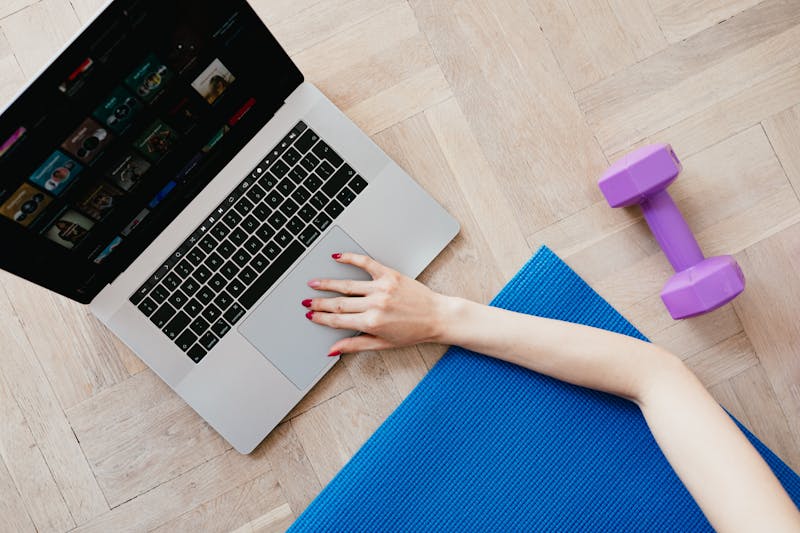
Use small opportunities throughout the day
A walking phone call, a short walk after a meeting or guided movements can interrupt prolonged sitting. The WHO emphasizes that all movement counts. For adults, regular aerobic and muscle-strengthening activity also form part of its recommendations.
A short office break does not meet all activity needs on its own. It is a practical component, especially on days packed with screen-based meetings.
Try a simple movement break
- Change position and, if possible, stand up or walk briefly.
- Move shoulders and arms gently within a comfortable range.
- Where appropriate, try a few controlled sit-to-stand movements using a stable chair.
- Then check your working position and when to take the next break.
These are suggestions, not a personal training plan. Adapt movements to your abilities. Stop if an exercise causes pain and seek professional assessment for persistent symptoms. Seated or other adapted options help more people participate.
Making it work for the team
Announce a voluntary movement session and name an organizer. A quiet meeting room and a short guided video may be enough for a first trial. After a week, discuss which time and format work best.
Shift work, field work and physically demanding jobs require different approaches from desk work. Ask about needs first. A shared challenge should offer adaptable goals without pressuring anyone into painful movements or public disclosure of health information.
Sources and context
Editorial source review: 04 October 2026. The linked sources explain the evidence and its limitations.