Guides for HR and Corporate Health
Employee wellbeing reporting: free HR template
Show what was delivered, which information is reliable and what decision comes next. A table of figures alone does not explain this.
Quick answer
How do I report workplace wellbeing to management?
State the goal, period and target group. Describe the activities delivered and a few clearly defined metrics. Add resources, data limitations and next tasks with owners and dates. Separate observations from explanations, expectations and economic scenarios.
Start with the next decision
What should management decide after reading: approve another time slot, continue a format or resolve a data question first? Put that question at the beginning. Explain the basis and required scope so the report leads to a concrete action.
Illustrative example: employees at one site gave relevant feedback about the content, but a shift window had too few available appointments. The report requests another session and sets out its organizational requirements. This does not establish a health improvement or economic effect.
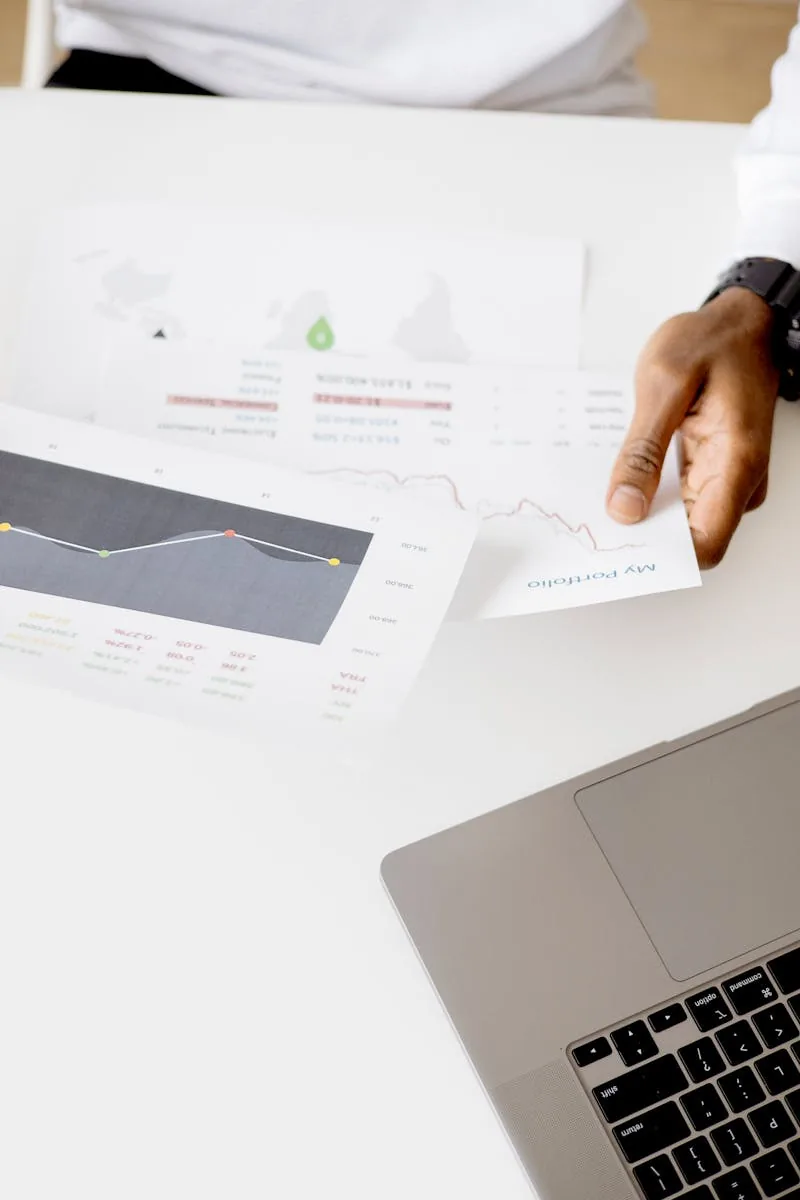
Five elements of a report
The template provides open fields for these elements. It contains no actual company figures or prewritten success claims. Add only information whose source and meaning you can verify.
| Component | Content |
|---|---|
| Brief | Goal, period, target group and responsible owner. |
| Delivery | Activities that took place and organizational tasks completed. |
| Metrics | Definitions, sources, periods and missing information alongside the values. |
| Resources | External costs, internal time and confirmed grants shown separately. |
| Decision | Next step, approval required, owner and date. |
Include definitions and limitations in reporting
Select a few metrics from the KPI template and carry over their definitions. Keep numerators and denominators visible for rates. Describe cancellations or access changes that affect a comparison. Missing figures remain marked as missing; they are not zero.
Free text may identify small teams or individuals. Summarize feedback carefully and do not share personal measurements or diagnoses. Review reports with data protection specialists before sending them to further recipients.
- Keep target values separate from observed values.
- Do not add monthly rates together.
- State the data source and period for every figure used.
Distinguish observations, explanations and plans
“More people participated” is an observation when the definition and data support it. “The new invitation caused this” is initially an explanation requiring further review. “Another session will reach more people” is a planning assumption. Make these distinctions even in a short summary.
Reporting in the modular FIT-UP platform can supply aggregated information to support program management. Available metrics are clarified for your project. This reporting template complements your organizational decisions; it does not promise an automatically generated management presentation.
- Label only verified results as results.
- Document assumptions and their conditions.
- Record the next review and responsible owner.
Your editable planning template
Use your own organizational information. The template contains no product prices, guaranteed results or private health records.
Scope and limitations
- A reporting template does not prove impact; interpretation depends on definitions, data quality and study design.
- The freely usable report contains no personal health data or built-in benchmarks.
Frequently asked questions
How long should the report be?
Start with a concise decision overview. Add the necessary definitions and evidence rather than prescribing a fixed page count.
How does a report differ from a KPI list?
The KPI list defines the figures. The report connects them to goals, delivery, resources and the next decision.
Does all data have to come from the platform?
No. Organizational tasks and costs may have other sources. Label each source and use only relevant information.
Can we report savings as a result?
Only when they can be evidenced and appropriately attributed. A modeled assumption must remain identifiable as a scenario.
Explore related insights
Published by FIT-UP GmbH, Linz, Austria — a Corporate Health platform provider for organizations in Austria and Germany. Last updated: 2026-10-04.
Your needs. The right combination.
The entire FIT-UP platform is modular. We discuss which digital offers, on-site services and personal support fit your organization.