Guides for HR and Corporate Health
Posture analysis and PNF: screening, terms and evidence
A posture image, a movement approach and a scientific study answer different questions. This guide explains the terms and helps assess a workplace service accurately.
Quick answer
How are posture analysis and PNF related?
Posture analysis describes visible features at the moment of capture. PNF stands for proprioceptive neuromuscular facilitation, a rehabilitation approach with different movement patterns and techniques. Screening is not PNF treatment. The sources here study particular techniques or explain their use; they validate neither the FIT-UP screening nor its exercise program.
- Posture capture: a description of one moment
- PNF: an approach with different techniques
- Distinguish the research question from the specific service
- No claim about an individual treatment outcome
What does posture analysis describe?
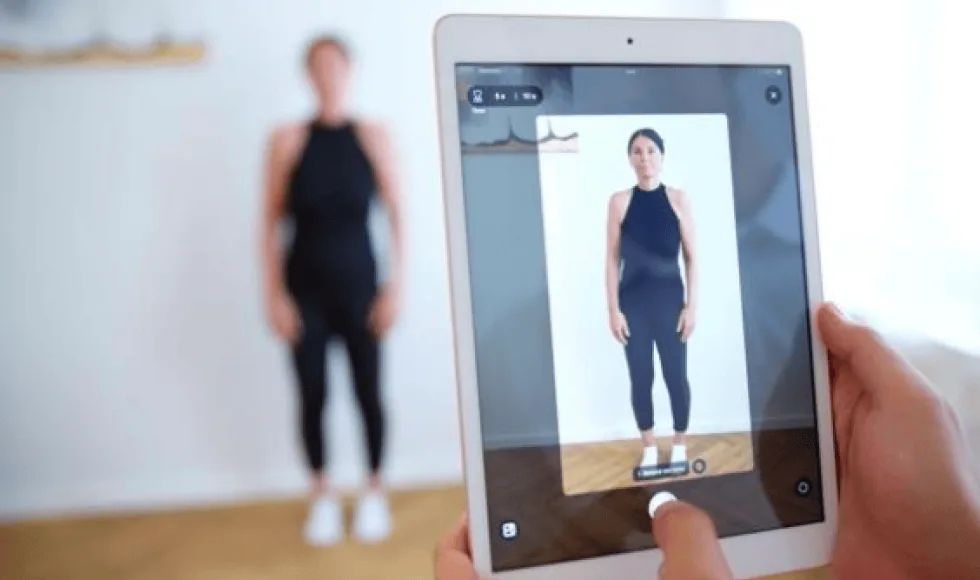
Camera-based capture may display head position, shoulder height or aspects of leg alignment. The features captured depend on the method and view. The image describes the capture under those conditions.
A visible asymmetry alone is not a diagnosis. An image does not explain why someone has symptoms or which treatment they need. A personal explanation should distinguish observation from interpretation.
A re-check initially compares two captures. Comparable conditions and the method used matter for interpretation. On its own, it does not establish a health effect.
What does PNF mean?
PNF stands for proprioceptive neuromuscular facilitation. Proprioception is the perception of body position and movement. Neuromuscular refers to interactions between nerves and muscles. Facilitation means supporting or initiating movement through appropriate stimuli.
PNF is more than one stretch. The literature describes movement patterns, guidance, resistance and different techniques. Higgins and Greer’s clinical article (2025) discusses principles and upper-extremity and scapular applications [1]. It is a professional overview, not a test of FIT-UP’s service.
PNF stretching refers to specific stretching techniques. A contract-relax study does not automatically answer questions about another PNF approach, camera-based screening or short workplace exercises. State the technique, delivery and study population in each case.
Which questions do the PNF sources study?
These sources provide context for the terminology and are listed with their specific questions. Publication of a study does not establish a service promise for another application.
| Source | Subject | Relevance to this guide |
|---|---|---|
| [1] Higgins & Greer, 2025 | Clinical article on PNF principles for the upper extremity and scapula | Explains a rehabilitation approach; does not validate FIT-UP posture analysis |
| [2] Feland & Marin, 2004 | Original study of different contraction intensities in hamstring contract-relax stretching | Specific stretching technique and flexibility question; not a study of workplace posture screening |
| [3] Marek et al., 2005 | Original study of short-term measurements after static and PNF stretching in a laboratory | Examines selected neuromuscular measures; does not establish reduced workplace symptoms or absence |
What should you clarify before a workplace service?
Describe the purpose, target group and process first. For screening, ask about the features displayed, explanation, capture conditions and handling of results. If exercises are included, their selection, guidance and responsibilities should be clear.
FIT-UP posture analysis is described as a health-day component with on-site capture, a personal explanation and exercise suggestions. Drawing on PNF principles does not make it a promised PNF therapy. Discuss personal symptoms and exercise suitability with a qualified professional.
Also plan rooms, appointments, voluntary participation, processing information and personal delivery of results. Individual results do not belong in a named list for managers. Clarify capture handling, access, retention and deletion beforehand.
Posture analysis process
Explore the specific FIT-UP service and on-site organization.
Plan a health day
Prepare target groups, rooms, stations and time slots.
Workplace ergonomics
Include working conditions and tasks in planning.
Scope and limitations
- This guide explains terminology and sources. It is not a manual for self-directed PNF treatment.
- The cited works do not test the FIT-UP screening or exercise program.
- These sources are not used to claim pain reduction, posture correction, disease prevention or business savings.
Frequently asked questions
Is posture screening a diagnosis?
The screening described displays visible features at the moment of capture. It does not replace a medical diagnosis or physiotherapy assessment.
Is every diagonal movement exercise PNF?
One feature does not describe the whole approach. Higgins and Greer explain different principles and techniques. The specific delivery must be described separately.
Do the PNF sources prove FIT-UP’s service works?
The sources address other questions or professional principles. They are not studies of FIT-UP posture screening or its exercise program.
Does a re-check establish treatment success?
It initially compares two captures. Conditions and methods matter. The comparison alone does not establish treatment success.
Explore related insights
Sources
- [1] Higgins & Greer (2025): Proprioceptive Neuromuscular Facilitation for the Upper Extremity and Scapula: Review and Update on Rehabilitation of Shoulder Pathology. IJSPT, DOI 10.26603/001c.143176 (clinical article).
- [2] Feland & Marin (2004): Effect of submaximal contraction intensity in contract-relax proprioceptive neuromuscular facilitation stretching. British Journal of Sports Medicine, DOI 10.1136/bjsm.2003.010967 (original study).
- [3] Marek et al. (2005): Acute Effects of Static and Proprioceptive Neuromuscular Facilitation Stretching on Muscle Strength and Power Output. Journal of Athletic Training (original study).
Published by FIT-UP GmbH, Linz, Austria — a Corporate Health platform provider for organizations in Austria and Germany. Last updated: 2026-10-04.
Your needs. The right combination.
The entire FIT-UP platform is modular. We discuss which digital offers, on-site services and personal support fit your organization.