Key points
The immune system needs adequate nutrition. A single food or supplement does not offer healthy people general protection from infections.
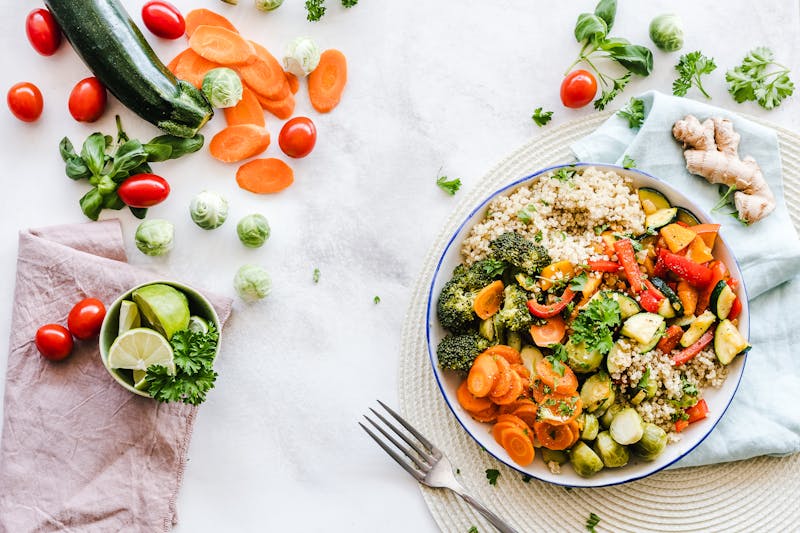
Meet nutritional needs rather than promise a “boost”
NIH describes vitamins and minerals needed for normal immune function. Deficiencies can impair it. This does not imply that extra high doses improve immune defenses indefinitely when intake is already sufficient.
“Natural” does not establish effectiveness or tolerability. Supplements can cause side effects and interactions. Suspected deficiencies, particular diets or medical conditions warrant qualified individual assessment.
Practical questions instead of product promises
- Is the diet varied and feasible during the working day?
- Are there reasons certain nutrients might be insufficient?
- Are supplements being taken with unclear need or interactions?
- Do recurrent symptoms need medical assessment?
These questions support orientation, not diagnosis. A fruit basket improves food access but does not demonstrate fewer infections. A successful challenge likewise does not establish a “stronger” immune system.
What employers can do
Predictable breaks, suitable food options and reliable information support everyday health choices. Offers should not create fear about normal fluctuations or recommend high-dose supplements to everyone.
A nutrition week could include shared meal planning. Refer individual questions to qualified advice. Nutrition and health offers complement responsible infection prevention; they do not replace medically recommended protective measures.
Sources and context
Editorial source review: 04 October 2026. The linked sources explain the evidence and its limitations.